Outgrowing your WireGuard mesh?

See why teams choose Twingate over NetBird

Faster than WireGuard, invisible to the people using it, and privileged access built in — on a control plane you never have to patch.

Faster than WireGuard, invisible to the people using it, and privileged access built in — on a control plane you never have to patch.

Trusted by teams worldwide

Why choose Twingate over Netbird?

Privileged Access

Guardrails for AI

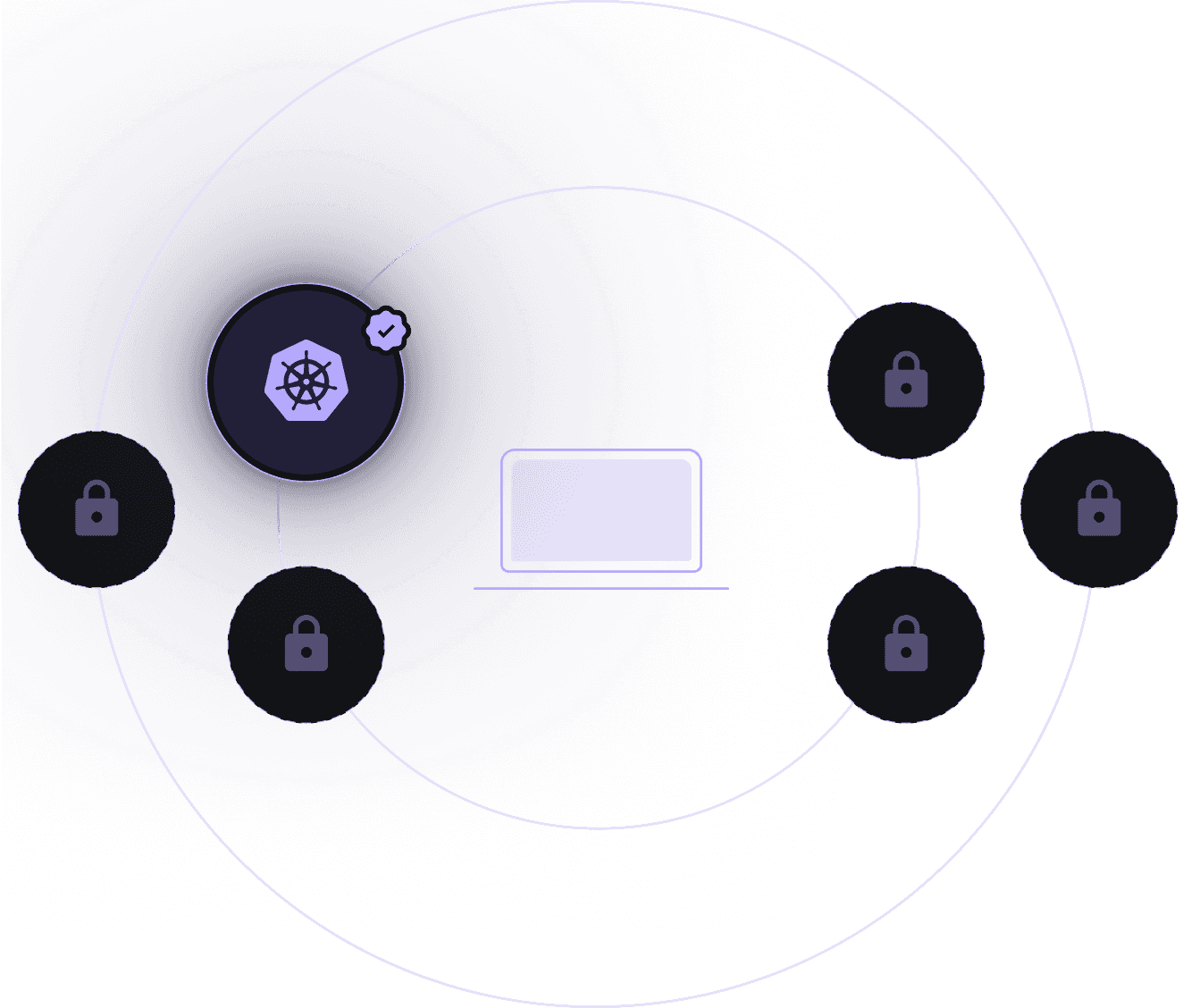
Kubernetes

Performance

Operations

Architecture

User Experience

Twingate

Ephemeral, per-connection SSH certificates from a local or Vault-backed CA. No keys on devices.

Govern inbound path to your infrastructure: k8s, SSH, databases, web apps, with session recording and per-resource scoping

Layer 7 gateway forwards user identity into cluster RBAC; every command audited and replayable.

Managed control plane. Nothing to host, patch or page an engineer about.

Connector + Controller, gateway-based segmentation.

Invisible to end users with seamless, always-on connectivity

Netbird

Embedded SSH server on each peer with OIDC identity mapping.

Govern the agent's outbound path to model providers: which model, how much spend.

Network-level reachability to the cluster.

Good, but inconsistent at scale in certain regions

Cloud or self-hosted; self-hosting means Docker, DNS and your own upgrade path.

Flat WireGuard peer-to-peer mesh.

Positive, but connection issues present at-scale

Netbird

Embedded SSH server on each peer with OIDC identity mapping.

Govern the agent's outbound path to model providers: which model, how much spend.

Network-level reachability to the cluster.

Good, but inconsistent at scale in certain regions

Cloud or self-hosted; self-hosting means Docker, DNS and your own upgrade path.

Flat WireGuard peer-to-peer mesh.

Positive, but connection issues present at-scale

The Bottom Line

The Bottom Line

NetBird and Twingate solve the first half of the same problem the same way: get an authorised user to a private resource without exposing it to the internet. Both do that well.


They diverge on the second half. A mesh's job ends when the connection is established. Twingate's begins there — brokering a short-lived certificate, forwarding your identity into the cluster's own RBAC, recording the session to your infrastructure, and cutting access the moment you revoke the user.


If your access layer only needs to answer can this person reach this host, a mesh is a reasonable answer. If it needs to answer what did they do once they got there, it isn't.

Identity-based access for users, services, and AI agents that deploys in minutes, scales to every resource, and finally lets you retire your VPN.

Connect to Content

Add layers or components to infinitely loop on your page.

Connect to Content

Add layers or components to infinitely loop on your page.

Connect to Content

Add layers or components to infinitely loop on your page.

Connect to Content

Add layers or components to infinitely loop on your page.

Powerful security deployed in minutes

90%

90%

90%

reduction in deployment time

reduction in deployment time

99.99%

99.99%

99.99%

reliability

reliability

168%

168%

168%

faster than Wireguard

faster than Wireguard

Comparing options? Talk to an engineer for a comparison scoped to your stack.

We process your information in accordance with our Privacy Policy

We process your information in accordance with our Privacy Policy

We process your information in accordance with our Privacy Policy